

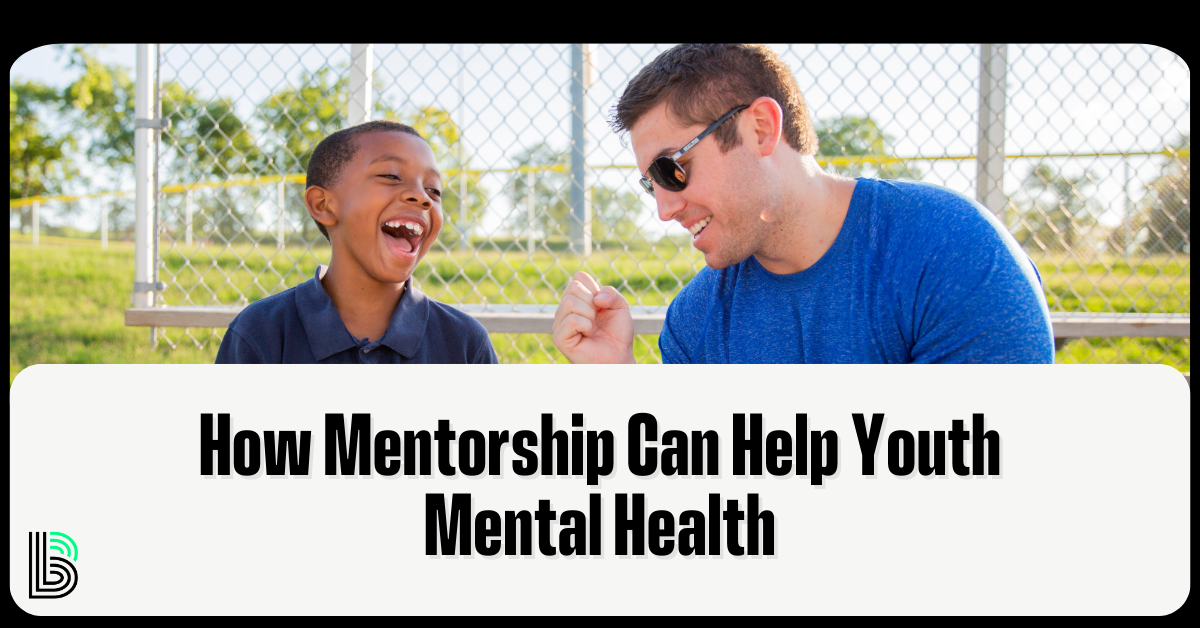
Now more than ever, we’re aware of the mental health challenges that youth face. Rising rates in anxiety, depression, and stress among young people is causing our community to search for meaningful ways to help emotional well-being. During these challenging times, mentorship is a powerful way to support youth.
Our Bay Area volunteer mentors are impactful in the lives of local youth. Mentors bring a consistent presence offering encouragement and guidance, which is a lifeline for a young person navigating difficult emotional situations. Here’s how mentorship can help youth mental health.
Mentorship Beyond Friendship: Mental Health Impact
Mentorship offers something beyond what a typical friendship provides. A mentor serves as someone who listens without judgement, offers advice when needed, and believes in the potential of their mentee even during the toughest times. When it comes to youth mental health, these aspects are all crucial to emotional wellbeing.
Research has shown that mentorship directly influences the wellbeing of young people. MENTOR National* found that more than half of young people with a mentor say that their relationship provides them essential support for their mental health. This consistent support makes a crucial difference in reducing the feelings of isolation, anxiety, and depression.
Building Emotional Regulation
One of the most important benefits of mentorship is the role it plays in helping young people develop emotional regulation skills. Navigating adolescence is challenging–youth are juggling academic pressures, social expectations, and personal struggles. This combination of stressors leads to emotional instability, but mentors offer a steady presence that help mitigate these effects.
In our program, we’ve witnessed this difference firsthand. Mentored youth report significant improvements in how they handle their emotions. 88% of our Littles experience enhanced emotional regulation skills. Mentors provide a sounding board for young people to express themselves, helping them process and manage their emotions in healthier ways. This guidance helps them navigate obstacles with a different perspective, leading to better mental health outcomes.
Mentorship and Addressing Depression
The power of mentorship plays a significant role in addressing depression symptoms. Mentors provide a sense of belonging and a safe space for youth to open up about their struggles. When youth feel seen, heard, and supported, their mental health improves.
In our work, we’ve seen a direct correlation between mentorship and the reduction of depression symptoms. 76% of Littles experience fewer symptoms of depression because they have someone to confide in. Young people are less likely to struggle with persistent feelings of sadness and hopelessness when they have a mentor that listens to them during life’s biggest challenges. Mentors offer encouragement and a caring presence during difficult times – making a meaningful difference in a young person’s mental health journey.
A Lifeline for Youth Mental Health
As we witness a rise in mental health awareness among youth, the need for consistent, supportive relationships is ever clearer. Mentors provide more than just friendship—they can offer guidance, aid in emotional regulation, and create a safe space to open up, leading to better mental wellbeing for young people.
Mentorship can be a lifeline for youth, showing them that they are not alone, helping them navigate through hardships in life, and equipping them with the tools needed to better handle their emotions. With a mentor, young people can develop the resiliency needed to face life’s biggest challenges and come out stronger on the other side.
If this article resonates with you, consider joining us by enrolling your child in our program, inquiring to be a mentor, or supporting our mission!
References: